Questions? Call (855) 927-4367 | Mon ‑ Fri 8am ‑ 6pm MT
From rideshares to fast food, "surge" pricing is everywhere, and utilities are adopting it too through time-of-use rates. This video explains why utilities charge more at peak times and how a smart battery helps homeowners avoid paying the surge.
Remember "Feed the Rush," the slogan for the short-lived Surge soda from the late '90s? Today "surge" describes how a lot of things are priced, from rideshare fares to restaurant menus. Utilities are moving the same way with time-of-use pricing, charging more when homes and businesses all pull power from the grid at once.
Utilities don't have the storage to keep rates flat during those rushes. Homeowners can. A smart battery charges from the grid when rates are low, stores that energy on site, and powers the home when rates spike. Extra stored energy can be sent back to the grid during peak periods, which may earn more credit on your utility statement depending on your utility's rules.
Programs, utility policies, equipment availability, and incentives can change. Confirm current terms for your address and consult qualified financial or tax professionals when appropriate.
Mitch: You guys remember the slogan "Feed the Rush" from the late '90s? It was a slogan for our dearly loved but short-lived Surge soda. Well, from soda to Uber rates to fast food chains, it seems like nowadays surge is the word, and "feed the rush" is the perfect slogan.
Even local utility companies are quickly adopting this same style of charging customers based on the time of day, or the time of use, or in other words, the surge. Why? Because they too have to feed the rush. They have to feed the rush of homes and businesses pulling power from the grid, and they don't have the infrastructure to store and maintain that energy that would allow for stable and consistent rates.
Luckily, as a homeowner, you can have that stability with a smart battery that helps manage your home's energy and usage. It pulls from the grid during the cheap or non-surge rates, and it stores on site so you can use it if or when you need it. Any power that's not needed from your battery can then be sent back to the grid when there is a surge, so you can get the most credit for that on your utility statement.
So even though the utility company has surge pricing, you have full control of how you manage your power and insulate your wallet from surge payments. To find out more, click the link or visit us online at bigdogsolar.com.
Home batteries and standby generators can both provide backup power, but they solve the problem in different ways. This video compares quiet, efficient battery storage with fuel-powered generation for homeowners who need longer emergency runtime.

The homeowner solar tax credit ended after 2025, but a separate federal credit for companies that own solar systems is still available. This video explains how Big Dog Solar's prepaid lease passes that value to homeowners, and three questions to ask before you sign.
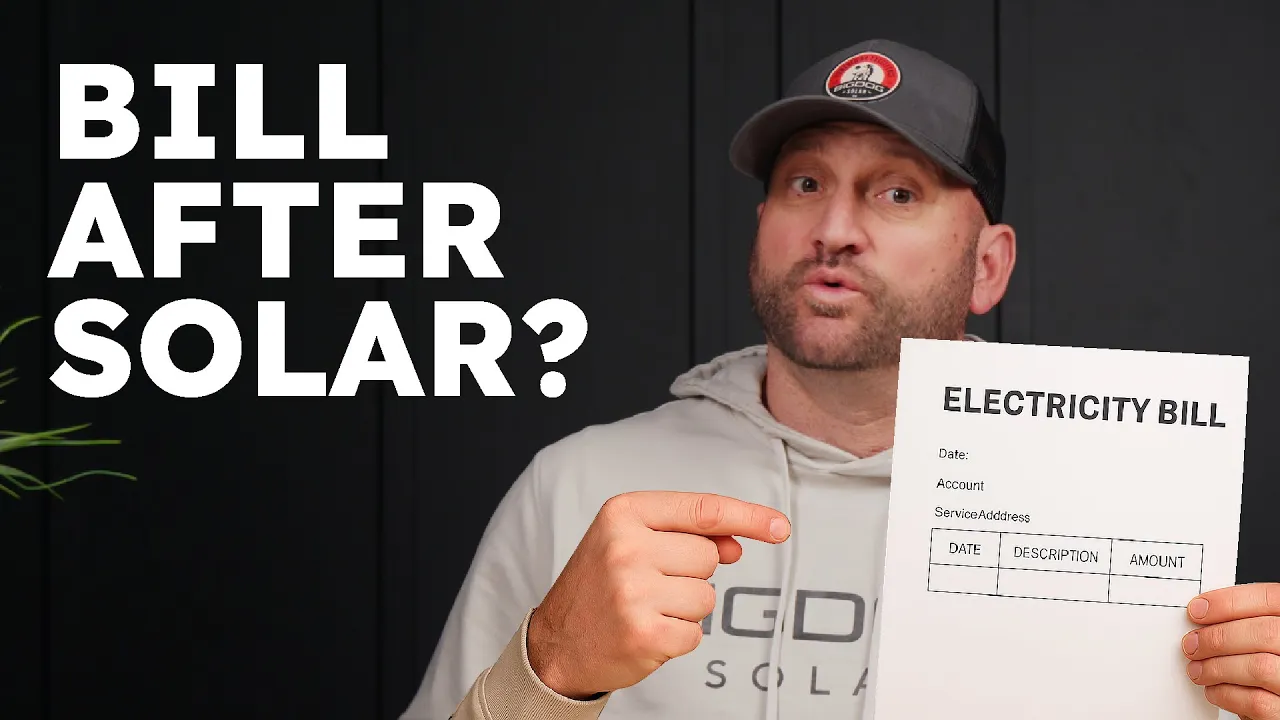
Do solar panels eliminate your electric bill? Not exactly — and if you don't know how solar billing works, you might be in for a surprise.